
Most people only think about visiting the dentist when something already hurts. By the time pain shows up, however, a small issue has often had months or even years to develop into something much more complicated. Seeing a Sumner dentist for preventive dentistry on a regular basis is one of the simplest habits you can build to protect your teeth and gums before problems ever become serious. Routine visits give your dental team the chance to catch small changes early, when treatment tends to be far more straightforward.
This article walks through exactly why consistent dental visits matter, what actually happens during a professional cleaning, and how skipping appointments can allow minor issues to snowball into painful emergencies. We will also look at how modern dental technology plays a role in catching problems early and why finding a reliable, welcoming practice for your first visit makes such a difference in whether you actually keep up with your appointments.
Why a Sumner Dentist Recommends Routine Visits
Dental professionals recommend checkups roughly twice a year for most patients, though your personal schedule may differ based on your oral health history. During these visits, your dentist examines your teeth, gums, and jaw for warning signs that are easy to miss on your own. Many dental issues, including early cavities and gum disease, produce few or no symptoms in their earliest stages.
Regular visits also create a baseline for your dental team to compare against over time. When your dentist has seen your mouth consistently over several years, subtle changes become much easier to spot. This ongoing relationship allows for more personalized care, since your provider already understands your history, your habits, and any recurring concerns you have brought up in the past.
- Early detection of cavities before they require extensive work
- Professional monitoring of gum health over time
- A chance to ask questions about your specific oral care routine
- Consistent tracking of changes in your bite or jaw alignment
- Peace of mind knowing small issues are caught quickly
In addition to catching physical problems early, routine visits give you a regular opportunity to talk through any concerns you may have noticed at home, such as sensitivity when drinking cold beverages or occasional jaw soreness after waking up. These conversations often reveal patterns that are easy to overlook day to day but become clear once discussed with a dental professional who understands what to look for.
If you are new to the area or have not established care with a provider yet, reviewing information about your first visit can help you know what to expect and make scheduling that first appointment feel far less intimidating.
What Happens During a Professional Teeth Cleaning and Deep Clean
A routine dental visit typically involves more than a quick look inside your mouth. Most appointments combine a hands-on cleaning with a visual and sometimes digital examination, giving your dentist a complete picture of your oral health. Understanding each part of this process can help you feel more comfortable and informed before your next visit.
Plaque Removal
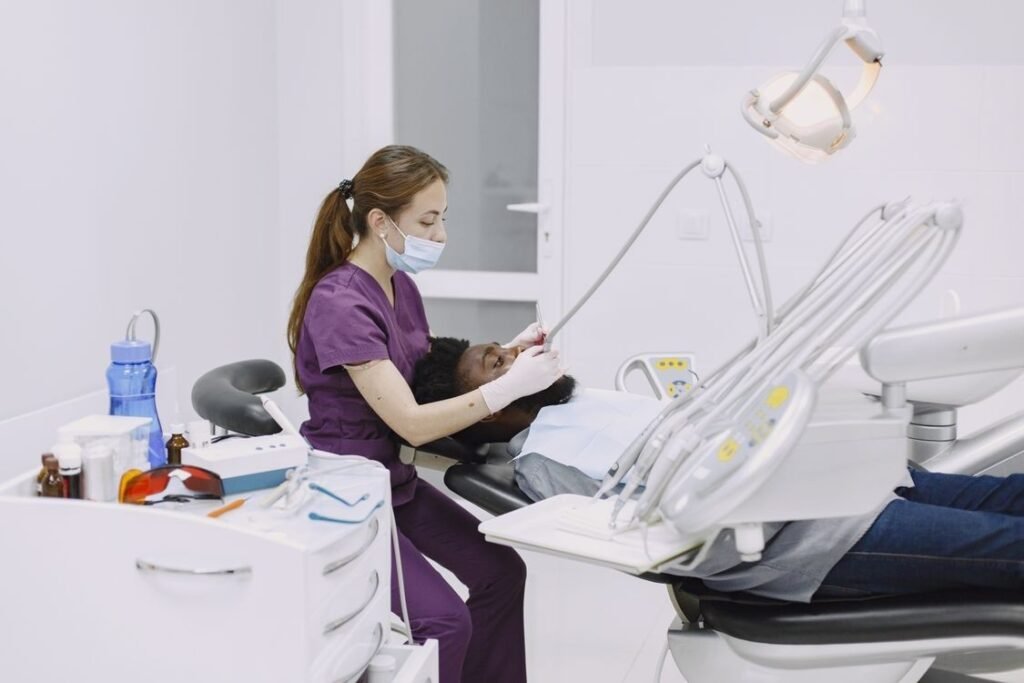
Plaque builds up on your teeth constantly, even with a strong brushing and flossing routine at home. During a cleaning, a dental hygienist uses specialized tools to carefully remove plaque and hardened tartar from areas that are difficult to reach with a toothbrush alone. Removing this buildup on a regular basis significantly lowers your risk of cavities and gum irritation.
Deep Cleaning for More Advanced Buildup
When plaque and tartar have accumulated below the gumline, a standard cleaning may not be enough. A deep clean teeth dentist visit, often called scaling and root planing, targets buildup beneath the gum tissue and smooths the tooth root to help gums reattach properly. This more thorough approach is usually recommended when early signs of gum disease are present.
Exam, X-Rays, and Screening
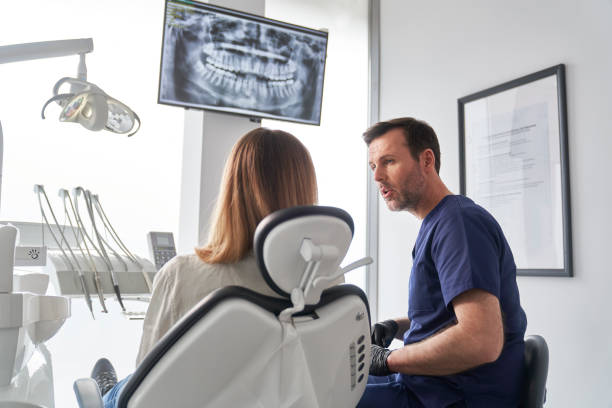
Beyond cleaning, your dentist typically performs a visual exam and may take X-rays to check for issues that are not visible on the surface, such as decay between teeth or bone loss around the jaw. Many practices also perform an oral cancer screening as part of this exam, since early detection dramatically improves outcomes for this condition as well.
Recognizing Early Signs of Gum Disease
Gum disease develops gradually, which is part of why so many people do not realize they have it until it has already progressed. Bleeding gums during brushing, persistent bad breath, and gum tenderness are often dismissed as minor annoyances rather than warning signs that deserve attention. Left unaddressed, these early symptoms can advance into more serious periodontal issues that affect the bone supporting your teeth.
Gum disease prevention starts with consistent home care, but professional monitoring plays an equally important role. Your dentist can measure the depth of the pockets between your teeth and gums, a key indicator of gum health that is impossible to assess accurately at home. Catching changes in these measurements early often means the difference between a simple deep cleaning and a more involved periodontal treatment later on.
- Gums that bleed easily during brushing or flossing
- Persistent bad breath that does not improve with brushing
- Gums that appear red, swollen, or pulled away from teeth
- Teeth that feel loose or have shifted position
- Changes in how your teeth fit together when biting down
How Untreated Dental Issues Escalate Into Emergencies
One of the strongest arguments for routine dental exams is how effectively they prevent situations from turning into emergencies. A small cavity that goes unnoticed can deepen over months, eventually reaching the nerve of the tooth and causing significant pain. What could have been a simple filling often turns into a much more involved procedure once decay has progressed this far.
Infections that develop from untreated decay can also spread beyond the tooth itself, sometimes requiring a root canal to save the tooth or, in more advanced cases, extraction. If you are currently dealing with a toothache that has progressed to severe pain, learning more about root canal therapy can help you understand what the treatment involves and why addressing infection quickly matters so much.
Emergencies rarely happen without warning signs building up beforehand. Patients who keep up with routine visits are far less likely to need a same-day dental emergency appointment, since their dentist has typically already identified and addressed smaller issues along the way.
The Role of Technology in Modern Preventive Care
Dental technology has changed considerably over the past decade, and many of these advancements directly support preventive care. Digital X-rays, for example, expose patients to significantly less radiation than traditional film X-rays while producing clearer images that make it easier to spot early decay or bone changes.
Intraoral cameras allow your dentist to show you exactly what they are seeing in real time, which helps patients understand recommended treatment far better than a verbal description alone. Many practices have also adopted more advanced diagnostic tools, and exploring the advanced dental technology available at a given practice can give you a sense of how thoroughly your mouth will be examined during each visit.
- Digital X-rays with reduced radiation exposure
- Intraoral cameras for real-time visual explanations
- Improved imaging to catch decay in its earliest stages
- More comfortable, efficient cleaning and exam appointments
Finding an Affordable Teeth Cleaning Near Me Without Compromising Quality
Many patients searching for affordable teeth cleaning near me want to know that saving money will not mean settling for rushed or incomplete care. The reality is that consistent preventive visits are one of the most effective ways to avoid larger dental needs later, which makes routine cleanings a genuinely practical long-term choice rather than an unnecessary expense.
Working with a dental team that accepts a variety of insurance plans and offers flexible scheduling can also make it easier to stay consistent with your visits. In addition, practices that clearly communicate what each appointment includes help patients feel confident that they are receiving thorough, quality care every time they come in, regardless of how routine the visit may seem.
When comparing options in your area, it helps to ask a few direct questions before booking. For example, find out whether the visit includes a full exam and X-rays when needed, or only a basic cleaning. In addition, ask how the office handles scheduling if additional treatment is recommended during your appointment, since a practice with a clear, organized process tends to make follow-up care far less stressful to arrange.
- Ask what a standard cleaning appointment typically includes
- Confirm whether X-rays are part of the visit when appropriate
- Check how the office coordinates any needed follow-up care
- Look for flexible scheduling that fits around your routine
Conclusion
Building a habit of regular dental visits is one of the most effective ways to protect your smile for the long term. From routine dental exams and professional plaque removal to early gum disease prevention, consistent care allows small issues to be addressed while they are still simple to treat. Waiting until pain appears often means facing a more complicated, time-consuming treatment than would have been necessary with earlier intervention. Building this habit now, rather than after a problem develops, is one of the simplest ways to protect both your comfort and your long-term oral health.
At Complete Dental Care of Sumner, our team is committed to helping you stay ahead of dental problems through thorough exams, gentle cleanings, and clear communication at every visit. If it has been a while since your last checkup, we invite you to contact our office today and take the first step toward healthier teeth and gums for years to come.
Frequently Asked Questions
1. How often should I visit a Sumner dentist for a checkup?
Most patients benefit from a checkup and cleaning every six months. Your dentist may recommend more frequent visits if you have a history of gum disease, cavities, or other ongoing dental concerns that require closer monitoring.
2. Is a deep clean teeth dentist visit painful?
A deep cleaning can cause some mild discomfort, especially if gum inflammation is present, but most patients tolerate the procedure well. Your dental team can discuss numbing options beforehand if you are concerned about sensitivity during treatment.
3. What are the earliest signs that I might need a dental exam sooner than scheduled?
Persistent sensitivity, bleeding gums, visible dark spots on teeth, or ongoing bad breath are all signs worth addressing promptly. Scheduling an exam as soon as these symptoms appear helps prevent them from developing into more serious concerns.
4. Can routine dental visits really prevent gum disease?
Yes, routine visits allow your dentist to measure gum pocket depth and catch inflammation before it progresses. Combined with consistent home care, professional monitoring significantly reduces the likelihood of advanced gum disease developing over time.
5. Why do dentists use X-rays during a preventive visit?
X-rays reveal issues that are not visible during a standard visual exam, such as decay between teeth or changes in the bone supporting your teeth. This additional information allows your dentist to catch and address problems much earlier.
6. What happens if I keep postponing my dental cleanings?
Postponing cleanings allows plaque and tartar to build up, increasing your risk of cavities and gum disease. Over time, this can lead to more involved treatment needs, including deep cleanings, root canals, or extractions that could have been avoided with regular care.