
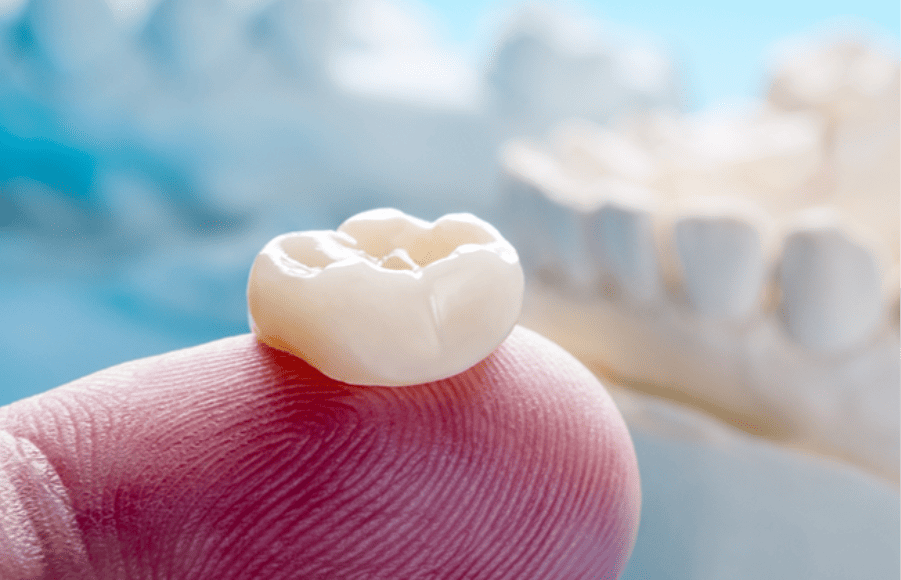
A cracked or broken tooth can happen without warning and often when you least expect it. Whether the damage occurs from biting down on a hard food, playing sports, grinding your teeth, or experiencing an accident, it is important to seek professional dental care as soon as possible. Even a small crack can worsen over time, allowing bacteria to enter the tooth and potentially leading to pain, infection, and additional structural damage. Prompt broken tooth repair can help preserve your natural tooth and prevent more complex dental issues in the future.
Many people believe that a damaged tooth is only a cosmetic concern. However, cracks and fractures can affect your ability to chew, speak, and maintain good oral health. Left untreated, a damaged tooth may become weaker and more susceptible to further breakage. Fortunately, modern dentistry offers a variety of solutions designed to restore both function and appearance. Understanding your treatment options can help you make informed decisions about your oral health and protect your smile for years to come.
Understanding Cracked and Broken Teeth
A cracked or broken tooth can range from a minor cosmetic chip to a severe fracture that affects the inner structure of the tooth. The severity of the damage often determines the type of treatment your dentist will recommend. While some cracks are visible, others may be difficult to detect without a professional examination.
When a tooth becomes damaged, the protective enamel layer can no longer fully shield the inner portions of the tooth. This increases the risk of sensitivity, discomfort, and bacterial infection. Because every fracture is different, a thorough evaluation is essential before selecting the most appropriate broken tooth repair solution.
Common types of tooth damage include:
- Minor enamel cracks
- Small chips along the edge of a tooth
- Fractured cusps
- Vertical cracks
- Split teeth
- Severe fractures involving multiple sections of the tooth
Why Immediate Treatment Is Important
Many patients delay treatment because the damage does not initially cause pain. However, a cracked tooth can worsen with everyday chewing and biting forces. What begins as a small crack may eventually require more extensive restorative treatment.
Early broken tooth repair may help:
- Preserve natural tooth structure
- Reduce the risk of infection
- Restore normal chewing ability
- Prevent additional fractures
- Improve overall appearance
- Avoid more complicated procedures later
Common Causes of Tooth Damage
Although teeth are incredibly strong, they are not indestructible. Various factors can contribute to cracks, chips, and fractures.
Understanding these causes may help you reduce your risk of future dental injuries and minimize the likelihood of needing broken tooth repair in the future.
Biting Hard Foods
Hard foods are one of the most common causes of tooth fractures. Ice, popcorn kernels, hard candy, and similar foods can place significant pressure on teeth.
Sports Injuries
Contact sports and recreational activities increase the risk of trauma to the mouth. A direct impact can result in chips, cracks, or complete tooth fractures.
Accidents and Falls
Unexpected falls and accidents often cause sudden force against the teeth, resulting in damage that may require immediate treatment.
Teeth Grinding and Clenching
Grinding and clenching place repeated stress on teeth. Over time, this pressure can weaken enamel and contribute to cracks and fractures.
Large Existing Fillings
Teeth with extensive fillings may have less natural structure available to absorb chewing forces, making them more vulnerable to damage.
Signs You May Need Broken Tooth Repair
Not all damaged teeth produce immediate symptoms. Some cracks remain unnoticed until they become larger or affect the tooth’s nerve.
Recognizing the warning signs can help you seek treatment before the damage worsens.
Common symptoms include:
- Pain when chewing
- Sensitivity to hot and cold foods
- Visible cracks or chips
- Swelling around the tooth
- Rough or jagged edges
- Intermittent discomfort
- Difficulty biting comfortably
If you experience any of these symptoms, scheduling a dental examination promptly is recommended.
When Emergency Care Is Needed
Some situations require immediate attention. Severe pain, infection, swelling, or major tooth fractures may indicate the need for emergency dental repair.
You should seek urgent care if you experience:
- Severe tooth pain
- Significant swelling
- Persistent bleeding
- Signs of infection
- Trauma affecting multiple teeth
- Difficulty eating due to damage
Prompt emergency dental repair can improve the chances of preserving the affected tooth and reducing complications.
Broken Tooth Repair Options Your Dentist May Recommend
Modern dentistry offers several effective treatments for damaged teeth. The best option depends on the location and severity of the fracture.
Your dentist will evaluate the tooth carefully before recommending a treatment plan designed to restore function, strength, and appearance.
Dental Bonding for Minor Chips
Dental bonding is often used for small chips and cosmetic imperfections. A tooth-colored resin material is applied, shaped, and polished to match surrounding teeth.
Benefits of bonding include:
- Natural-looking results
- Quick treatment
- Conservative approach
- Minimal removal of healthy tooth structure
- Improved smile appearance
Bonding is frequently recommended as a chipped tooth treatment for minor damage.
Fillings for Small Areas of Damage
A filling may be sufficient when only a small portion of the tooth has been compromised. Fillings help restore function while protecting the damaged area from further deterioration.
Patients often ask about tooth filling vs crown treatment options. The answer typically depends on how much healthy tooth structure remains.
Dental Crowns for Larger Fractures
Dental crowns are among the most common and reliable broken tooth repair solutions for moderate to severe damage.
A crown covers the entire visible portion of the tooth and provides protection against future fractures.
Dental crowns may be recommended when:
- A large portion of the tooth is missing
- Significant cracks are present
- The tooth has been weakened
- Extensive restorations already exist
- Long-term protection is required
Because dental crowns fully protect the remaining tooth structure, they often provide excellent durability and long-term success.
Tooth Filling vs Crown: Which Option Is Right?
One of the most common questions patients ask involves deciding between a filling and a crown. Understanding the differences between tooth filling vs crown treatment can help clarify why a dentist recommends one option over another.
A filling restores a specific area of damage within the tooth. A crown, however, covers the entire visible tooth and provides additional support.
When a Filling May Be Recommended
A filling may be appropriate when:
- Damage is relatively minor
- Most of the tooth remains intact
- The tooth is structurally strong
- Additional reinforcement is not required
When a Crown May Be Recommended
A crown may be preferred when:
- Large portions of the tooth are missing
- Significant cracks exist
- Additional strength is necessary
- Long-term protection is desired
In many cases, dental crowns offer greater protection for compromised teeth than fillings alone.
What Is a Dental Cap Crown?
The term dental cap crown refers to the same restoration commonly known as a dental crown. It acts as a protective covering placed over a damaged tooth.
A dental cap crown restores strength, function, and appearance while helping prevent additional damage. Modern crowns are customized to blend naturally with surrounding teeth.
A dental cap crown may be recommended for:
- Cracked teeth
- Broken teeth
- Large cavities
- Root canal-treated teeth
- Worn teeth
- Cosmetic improvements
For many patients, a dental cap crown provides a durable and highly effective solution for broken tooth repair.
The Benefits of Same-Day Dental Care
Advancements in technology have improved the speed and convenience of restorative dental treatment. In some situations, same-day dental care allows patients to receive diagnosis and treatment during a single visit.
This can be especially beneficial for individuals experiencing sudden dental injuries or discomfort.
Benefits of same-day dental care include:
- Faster treatment
- Reduced discomfort
- Improved convenience
- Fewer appointments
- Quicker restoration of function
Receiving broken tooth repair quickly may help prevent additional damage and restore comfort sooner.
When a Tooth Cannot Be Saved
Although preserving natural teeth is always the preferred goal, some fractures are too severe to repair successfully. If the damage extends below the gumline or deep into the root, extraction may be necessary.
Fortunately, modern tooth replacement options can restore both appearance and functionality.
Dental Implants in Sumner
When a damaged tooth cannot be saved, dental implants in Sumner may provide a long-term replacement solution.
Dental implants replace both the tooth root and visible crown, creating a stable and natural-looking result.
Benefits of dental implants include:
- Natural appearance
- Strong chewing ability
- Long-term durability
- Jawbone preservation
- Improved confidence
Many patients view dental implants as one of the most effective solutions for replacing severely damaged teeth.
Cosmetic Options After Tooth Repair
Following broken tooth repair, some patients choose cosmetic treatments to further enhance their smiles.
These procedures can improve overall appearance while complementing restorative dental work.
Professional Teeth Whitening
Professional teeth whitening can brighten stained teeth and help create a more uniform smile. Many patients choose whitening after restorative treatment to improve overall aesthetics.
Affordable Teeth Veneers
Affordable teeth veneers may be suitable for patients with multiple cosmetic concerns. Veneers are thin shells placed on the front surfaces of teeth to improve appearance.
They may help address:
- Minor chips
- Surface cracks
- Discoloration
- Uneven teeth
- Cosmetic imperfections
How to Protect Your Teeth from Future Damage
Preventive care plays a significant role in maintaining a healthy smile and reducing the need for future broken tooth repair.
While accidents cannot always be avoided, many causes of tooth damage can be minimized through healthy habits and regular dental care.
Protective measures include:
- Wearing a mouthguard during sports
- Avoiding hard foods and objects
- Treating teeth grinding promptly
- Attending regular dental checkups
- Maintaining good oral hygiene
- Addressing dental concerns early
These simple steps can significantly reduce the risk of future fractures and dental emergencies.
Conclusion
A cracked or broken tooth should never be ignored, regardless of how minor the damage may appear. Without treatment, even a small crack can worsen and lead to discomfort, infection, and additional complications. Fortunately, modern dentistry offers effective solutions such as dental crowns, chipped tooth treatment, emergency dental repair, same-day dental care, and dental implants. Seeking broken tooth repair early can help preserve your natural tooth and protect your long-term oral health.
If you are experiencing tooth pain, sensitivity, or visible tooth damage, now is the time to seek professional care. The experienced team at Complete Dental Care of Sumner is committed to providing personalized treatment plans that restore healthy, functional, and confident smiles. Contact Complete Dental Care of Sumner today to schedule your appointment and learn which broken tooth repair solution is right for your needs.
Frequently Asked Questions
1. Can a broken tooth heal on its own?
No, a broken tooth cannot heal itself because tooth enamel does not regenerate. Even if the damage appears minor, the tooth may continue to weaken over time. Professional broken tooth repair helps protect the remaining structure and prevents additional complications.
2. What is the best treatment for a chipped tooth?
The best chipped tooth treatment depends on the size and location of the damage. Small chips may be repaired with dental bonding or fillings, while larger fractures often require dental crowns. Your dentist will recommend the most appropriate option after an examination.
3. How do dentists choose between a filling and a crown?
When evaluating tooth filling vs crown options, dentists consider how much healthy tooth structure remains. Fillings are typically used for smaller areas of damage, while crowns provide greater protection when a tooth has been significantly weakened or fractured.
4. Is emergency dental repair necessary for every broken tooth?
Not every damaged tooth requires emergency treatment. However, severe pain, swelling, infection, bleeding, or extensive fractures should be evaluated immediately. Emergency dental repair can help preserve the tooth and reduce the risk of further complications.
5. Can dental implants replace a severely damaged tooth?
Yes. If a tooth cannot be repaired successfully, dental implants in Sumner may be recommended. Dental implants provide a durable, natural-looking replacement that restores function, appearance, and long-term oral health.
6. Does same-day dental care help with broken teeth?
Yes. Same-day dental care can be highly beneficial for patients with unexpected dental injuries. Depending on the severity of the damage, treatment may begin during the same visit, helping relieve discomfort and restore normal function more quickly.