Complete Dental Care of Sumner Blog

What Services Should You Expect From Dental Care of Sumner Clinics?

July 24, 2026

Dental care of Sumner clinics typically covers a lot more ground than most people realize before their first visit. Beyond a basic cleaning, comprehensive practices are set up to handle everything from routine checkups to more involved restorative work, all without sending you across town to a different provider. Understanding this full range of services ahead of time helps you know what to expect and makes it easier to plan care for your entire family.

This guide breaks down the core services you should look for in a well-rounded dental practice, from cavity prevention to family dental services for every age group. Whether you’re new to the area or simply reevaluating your current provider, knowing what a complete practice offers puts you in a much stronger position to make an informed decision.

What Comprehensive Dental Care of Sumner Actually Covers

Comprehensive dental care means more than just fixing problems as they come up. It involves an ongoing approach that combines prevention, diagnosis, and treatment under one roof, so your family isn’t left piecing together care from multiple offices. This kind of setup also allows your dental team to build a complete picture of your oral health over time, which leads to more accurate recommendations and fewer surprises during appointments.

A well-rounded practice typically supports patients through every stage of life, from a child’s first cleaning to more complex needs later on. This continuity matters, since a provider who understands your history is better equipped to catch subtle changes early. Learning more about the practice’s overall approach to care can give you a clearer sense of what comprehensive treatment actually looks like day to day.

What Comprehensive Care Typically Includes

  • Preventive services like cleanings and exams
  • Restorative treatment for cavities and damaged teeth
  • Diagnostic tools such as digital X-rays
  • Guidance tailored to each patient’s specific needs
  • Coordination for more specialized treatment when necessary

Routine Dental Checkups: What Happens During a Visit

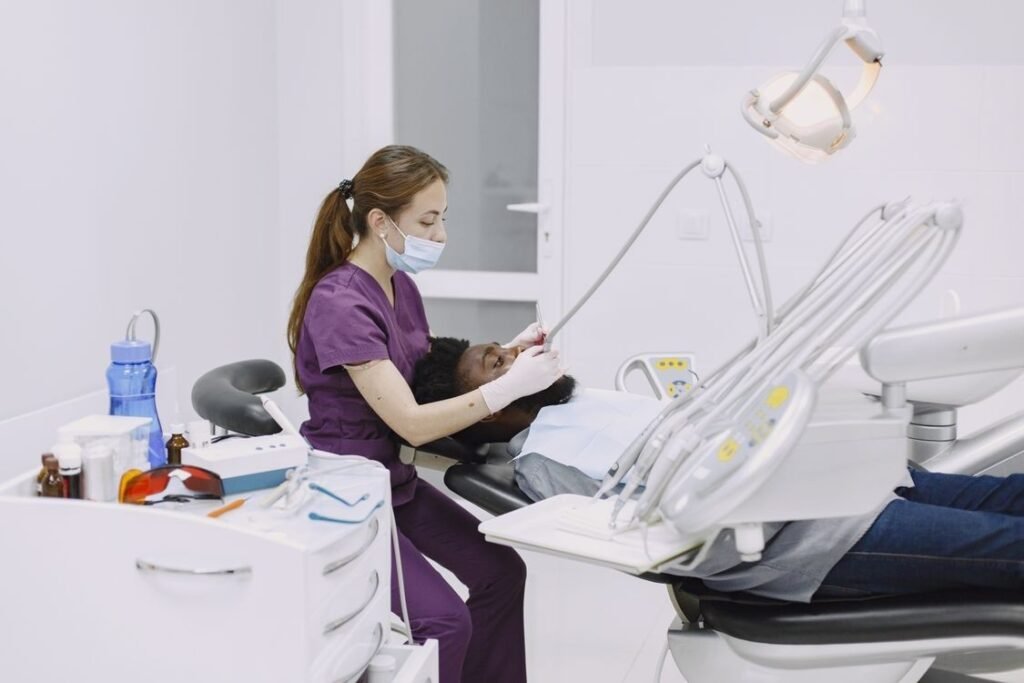
A routine dental checkup follows a fairly consistent structure, even though the details can vary slightly depending on your history. Most visits begin with a professional cleaning to remove plaque and tartar buildup that regular brushing tends to miss. From there, the dentist examines your teeth and gums closely, checking for any early signs of decay, inflammation, or other concerns that might not be obvious to you at home.

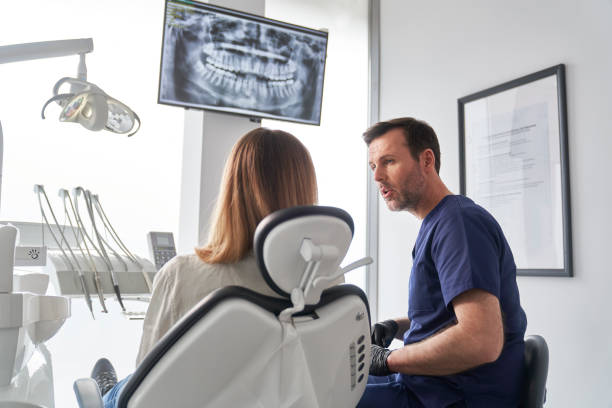
Modern checkups also often rely on updated tools to make the exam more accurate and efficient. Digital imaging, for example, allows your dentist to spot issues that wouldn’t be visible during a standard visual exam alone. Exploring the technology used during appointments can help you understand why these tools matter for catching problems early.

A typical checkup usually involves:

  • A thorough cleaning and plaque removal
  • A visual exam of teeth, gums, and soft tissue
  • X-rays when clinically appropriate
  • A conversation about any new concerns
  • A summary of findings and next steps

Cavity Prevention Strategies That Actually Work

Cavity prevention is one of the most cost-effective parts of dental care, largely because it’s far easier to stop a cavity from forming than to treat one that’s already progressed. Consistent brushing, flossing, and limiting sugary snacks all play a role, but professional guidance adds another layer of protection that’s hard to replicate at home. Fluoride treatments and sealants, for instance, provide extra defense in areas that are more prone to decay.

Even with strong prevention habits, cavities can still develop, and catching them early makes treatment far simpler. If a cavity does form, addressing it quickly through options like restorative treatment helps prevent the issue from spreading or requiring more extensive work later.

Effective prevention habits include:

  • Brushing twice daily with fluoride toothpaste
  • Flossing once a day to reach between teeth
  • Limiting sugary snacks and drinks between meals
  • Scheduling checkups every six months
  • Asking about sealants for cavity-prone areas

Family Dental Services Across Every Age Group

Family dental services should be flexible enough to support patients at every stage of life, from toddlers getting their first checkup to older adults managing long-term oral health needs. A practice built around this kind of range makes scheduling far simpler for parents juggling multiple family members’ appointments. It also means everyone benefits from the same consistent, coordinated approach to care.

Age-specific needs vary quite a bit, which is why having a knowledgeable team matters so much. Getting familiar with the team providing your family’s care can help you feel more confident about bringing in patients of any age, from young children to grandparents.

Family-focused care often includes:

  • Early checkups and guidance for young children
  • Ongoing preventive care through adolescence and adulthood
  • Ongoing monitoring for shifting oral health needs over time
  • Coordinated scheduling for multiple family members
  • Clear communication tailored to each patient’s age and comfort level

Restorative and Emergency Services When Something Goes Wrong

Even with strong preventive habits, dental issues sometimes come up unexpectedly, whether it’s a cracked tooth, sudden pain, or an infection that needs prompt attention. A well-rounded practice should be equipped to handle these situations without requiring you to search elsewhere for urgent help. Having this kind of support built into your regular provider relationship makes a real difference when something goes wrong.

Beyond addressing the immediate problem, dentists in these situations also focus on preventing the issue from recurring, which often involves a follow-up plan once things have stabilized. Knowing how emergency dental services work ahead of time can save valuable time if a sudden issue ever comes up for you or a family member.

Replacing Missing Teeth and Long-Term Tooth Health

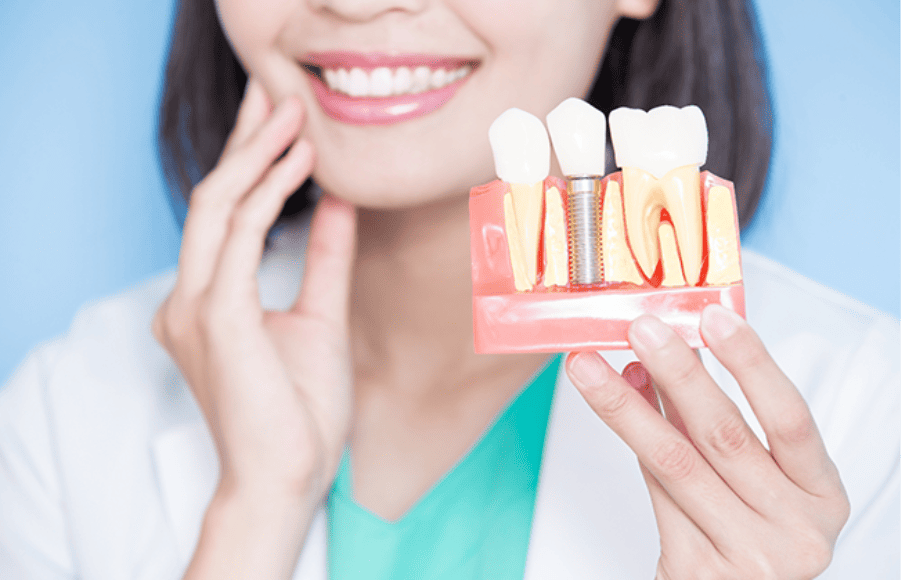
Missing teeth affect more than appearance. They can also impact how you chew, how your remaining teeth shift over time, and even your overall jaw alignment if left unaddressed for too long. Because of this, a comprehensive dental practice should offer multiple options for replacing missing teeth, tailored to each patient’s specific needs and long-term goals.

Addressing this issue sooner rather than later tends to lead to simpler treatment and better long-term outcomes. Exploring the available options for missing teeth can help you understand which approach might work best for your specific situation, whether that involves one tooth or several.

Cosmetic and Smile-Enhancement Options Worth Knowing About

While functional dental care is the priority, many patients are also interested in enhancing the appearance of their smile. A well-rounded practice typically offers a variety of cosmetic options, allowing patients to address concerns like discoloration, minor gaps, or uneven tooth shape without needing a separate specialist. These services are often more accessible than people expect, especially when handled by a team that already knows their dental history.

Cosmetic treatments work best when paired with a solid foundation of general dental health, since addressing any underlying issues first leads to longer-lasting results. Learning more about the cosmetic dentistry options available can help you decide whether this is something worth discussing at your next visit.

How to Get Started With a Sumner Dental Care Provider

Getting started with a new dental provider is usually simpler than people expect, especially once you know what to ask and what to look for. Begin by considering your family’s specific needs, whether that’s ongoing preventive care, a particular concern you’d like addressed, or simply a fresh start with a new practice. From there, reaching out directly is often the fastest way to get clear answers about scheduling and next steps.

Most practices are happy to answer questions before you commit to an appointment, which can help you feel more confident about your choice. If you have questions about services, scheduling, or anything else, feel free to reach out directly to get the information you need before your first visit.

Conclusion

Dental care of Sumner clinics should offer far more than a basic cleaning every six months. From cavity prevention and routine checkups to restorative and family-focused services, a comprehensive practice supports your oral health at every stage of life. Knowing what to expect ahead of time makes it much easier to choose a provider that can grow with your family’s needs over the years.

At Complete Dental Care of Sumner, we’re proud to offer this kind of well-rounded, consistent care for patients of all ages. If you’re ready to experience comprehensive dental care built around your family’s long-term health, reach out to Complete Dental Care of Sumner today to get started.

FAQs

1. What does comprehensive dental care actually include?

Comprehensive care typically covers preventive services, restorative treatment, and diagnostic tools like digital X-rays, all under one provider. This approach allows your dental team to build a full picture of your oral health over time. It also reduces the need to visit multiple offices for different types of care.

2. How often should I schedule a routine dental checkup?

Most patients benefit from a checkup and cleaning every six months, though some may need more frequent visits depending on their history. Regular checkups help catch small issues early, before they become more serious. Your dentist can help determine the right schedule for your specific needs.

3. What’s the most effective way to prevent cavities?

Consistent brushing, flossing, and limiting sugary snacks form the foundation of cavity prevention. Professional treatments like fluoride applications and sealants add an extra layer of protection in harder-to-reach areas. Combining good habits at home with regular checkups offers the best long-term results.

4. Can one dental practice really handle my whole family’s needs?

Many comprehensive practices are equipped to treat patients of all ages, from young children to older adults. This makes scheduling significantly easier and supports more consistent, coordinated care across your entire family. It’s worth confirming which age groups a practice regularly treats beforehand.

5. What should I do if I have a sudden dental emergency?

Contact your dental provider as soon as possible to describe your symptoms and get guidance on next steps. Many practices offer prompt appointments for urgent situations like severe pain or a cracked tooth. Acting quickly often leads to simpler treatment and a better overall outcome.

6. Are cosmetic dental services only for special occasions?

Not necessarily. Many patients pursue cosmetic treatments simply to feel more confident in their everyday smile, not just for a specific event. These services often work best when paired with a solid foundation of general dental health. It’s worth discussing your goals directly with your dental team.

What Families Should Know Before Choosing a Dentist Sumner WA for Long-Term Oral Health

July 22, 2026

Dentist in Sumner WA

Choosing a dentist in Sumner WA is a decision that affects your family for years, not just for a single appointment. It’s easy to focus on convenience alone, but long-term oral health depends on finding a practice that understands your family’s needs, communicates clearly, and stays consistent over time. A rushed decision now can mean switching providers later, which often disrupts the continuity that makes dental care effective in the first place.

This guide covers what families should think through before committing to a new practice, from the range of general dentistry services offered to how often preventive checkups should happen. Whether you’re relocating to the area or simply ready for a change, understanding these details ahead of time makes the search for a dental clinic near me far less overwhelming.

Why Long-Term Oral Health Starts With the Right Dentist in Sumner WA

Oral health isn’t something that improves overnight. It’s built through consistent habits, regular monitoring, and a dental team that knows your history well enough to catch small changes before they become bigger problems. When you choose a dentist in Sumner WA who takes the time to understand your family’s specific needs, you’re setting the stage for fewer surprises and more proactive care down the road.

This kind of continuity also matters for children, who benefit from seeing the same familiar faces at every visit. Over time, that consistency builds trust, which often makes checkups easier as kids grow older. Getting to know the dentist behind your care before your first appointment can help the whole family feel more at ease walking through the door.

What Long-Term Continuity Actually Provides

  • A dental team that recognizes changes in your oral health over time
  • Fewer repeated explanations of your history at every visit
  • More personalized recommendations based on your specific patterns
  • A calmer experience for children who see familiar faces
  • Better coordination if specialized treatment is ever needed

What to Look for in a Dental Clinic Near Me

Not all dental clinics operate the same way, so it helps to know what separates a strong long-term fit from a practice that only works for occasional visits. Start by considering how the office communicates. Do they explain treatment options clearly? Are appointments easy to schedule around your family’s routine? These everyday details often matter more than they seem at first glance.

The physical environment matters too, especially for younger patients or anyone who feels nervous about dental visits. A clean, modern, and welcoming office can make a noticeable difference in how comfortable your family feels walking in. Taking a look at the office setting ahead of time can help ease any hesitation before your first visit.

Consider evaluating:

  • How quickly the office can accommodate new patient requests
  • Whether the team communicates in a way that’s easy to understand
  • The overall atmosphere and comfort level of the waiting area
  • How flexible scheduling is for multiple family members
  • Whether follow-up questions are welcomed after an appointment

General Dentistry Services Every Family Should Have Access To

A strong general dentistry foundation means your family shouldn’t need to bounce between multiple offices for common needs. From routine cleanings to fillings and everything in between, having access to a full range of services under one roof simplifies scheduling and keeps your care more consistent. This becomes especially valuable as family members’ needs change over time, from a toddler’s first cleaning to a teenager’s evolving dental needs.

Beyond the basics, it’s worth understanding what a practice offers so you’re not caught off guard if something more involved comes up. Reviewing the full range of dental services available at a practice gives you a clearer sense of whether they can grow with your family’s needs over the years.

Look for access to:

  • Routine cleanings and comprehensive exams
  • Fillings and restorative treatment for cavities
  • Digital X-rays and diagnostic imaging
  • Guidance on oral hygiene tailored to each family member
  • Coordination for more specialized treatment when necessary

The Importance of Preventive Dental Checkups

Preventive dental checkups are the backbone of long-term oral health, and skipping them tends to catch up with people eventually. Regular visits allow small issues, such as early decay or gum irritation, to be addressed before they turn into something more painful or complicated. For families, this also means establishing a routine that kids grow up with, rather than treating dental visits as something to dread.

In addition to catching problems early, preventive checkups give your dentist a chance to track subtle changes over time, from how teeth are aligning to how well daily habits are working. Making these visits a regular part of your family’s preventive dental care routine helps avoid larger issues that are harder and more time-consuming to treat later.

What a Typical Preventive Checkup Includes

  • A thorough cleaning to remove plaque and tartar
  • A visual exam of teeth, gums, and soft tissue
  • X-rays when appropriate based on your history
  • A conversation about any changes or concerns
  • Personalized recommendations for home care

Building a Family Dental Care Routine at Home

What happens between appointments matters just as much as the visits themselves. A consistent at-home routine reinforces everything your dentist recommends and helps prevent avoidable issues from developing in the first place. For families with young children, building these habits early makes it far more likely they’ll stick as kids grow older and start taking more responsibility for their own care.

Consistency, more than perfection, tends to make the biggest difference here. Small, repeated habits add up significantly over months and years, which is exactly why dentists emphasize daily routines so heavily. Establishing a simple, realistic system at home makes it easier for the whole family to stay on track without feeling like a chore.

Helpful habits to build together include:

  • Brushing twice daily for a full two minutes
  • Flossing once a day to clean between teeth
  • Limiting sugary snacks and drinks between meals
  • Replacing toothbrushes every three to four months
  • Modeling good habits so younger children learn by example

Questions to Ask Before Choosing a Dentist Near Me

Before settling on a new practice, it’s worth having a short list of questions ready so you can compare your options clearly. Asking direct questions upfront saves time later and helps you avoid switching providers again down the road. This is especially useful if you’re searching broadly for a dentist near me and want to narrow down the right fit efficiently.

Some of the most useful questions focus on day-to-day logistics rather than just services offered, since those details often affect your actual experience the most. Understanding what to expect as a new patient can also help you prepare a more informed list of questions before your first call or visit.

Consider asking:

  • How soon can new patients typically be seen?
  • What age groups does the practice see regularly?
  • How are questions handled between scheduled appointments?
  • What happens if a family member needs urgent care?

What Makes a Dental Practice a Good Long-Term Fit

A good long-term fit goes beyond convenient hours or a nearby location. It’s about finding a team that consistently communicates well, follows through on recommendations, and adapts as your family’s needs evolve over the years. Families who find this kind of fit early on tend to stick with their provider far longer, which supports better outcomes overall.

Pay attention to how a practice handles the small things, since those details often reveal how they’ll handle bigger situations down the road. If a team is attentive, transparent, and easy to reach for questions between visits, that’s usually a strong sign you’ve found the right long-term partner for your family’s oral health. When you’re ready to take that next step, you can schedule a visitto see firsthand how a practice operates.

Conclusion

Choosing a dentist in Sumner WA is about far more than convenience. It’s a decision that shapes how comfortable your family feels with dental care and how consistently small issues get caught before they grow into bigger problems. From preventive checkups to everyday habits at home, every part of this guide points toward one goal: building a long-term relationship with a dental team your family can rely on.

At Complete Dental Care of Sumner, we’re committed to supporting your family’s oral health at every stage, from a child’s first cleaning to ongoing care for the whole household. If you’re ready to find a dental home built around long-term care, reach out to Complete Dental Care of Sumner today and take the first step toward healthier smiles for years to come.

FAQs

1. How often should my family visit a dentist in Sumner WA for checkups?

Most families benefit from a checkup and cleaning every six months, though some individuals may need more frequent visits. Your dentist can help determine the right schedule based on each person’s specific oral health history. Staying consistent with this routine helps catch small issues early.

2. What should I look for in a dental clinic near me?

Consider how the office communicates, how flexible their scheduling is, and whether they offer the full range of services your family needs. A welcoming environment and a team willing to answer questions are strong indicators of a good fit. Reading about their approach to care ahead of time can also help.

3. What general dentistry services should a family practice offer?

A well-rounded practice should offer routine cleanings, exams, fillings, and diagnostic imaging at a minimum. Having these services available under one roof makes scheduling easier and keeps your family’s care more consistent over time. It also reduces the need to visit multiple offices for common needs.

4. Why are preventive dental checkups so important?

Preventive checkups allow dentists to catch small issues, like early decay or gum irritation, before they become more serious. They also help track changes in your oral health over time, which supports more personalized recommendations. Skipping these visits often leads to more involved treatment later.

5. How can I build good dental habits at home for my family?

Focus on consistency rather than perfection, starting with brushing twice daily and flossing once a day. Limiting sugary snacks and modeling good habits for younger children also makes a meaningful difference. Small, repeated routines tend to have the biggest long-term impact.

6. What questions should I ask before choosing a new dentist?

Ask how soon new patients are typically seen and what age groups the practice regularly treats. It also helps to ask how the office handles questions between appointments and urgent situations. These answers give you a clearer sense of what day-to-day care will actually look like.

Dental Implants vs Dentures: Which Option Is Better for You? 

June 15, 2026

full dental implants

Losing teeth can affect far more than the appearance of your smile. It can make everyday activities such as eating, speaking, and socializing more challenging. Many people also experience a loss of confidence when they have missing teeth, especially when those gaps are visible while talking or smiling. Fortunately, modern dentistry offers reliable solutions that can restore both function and appearance. 

Among the most popular tooth replacement options available today are dentures and full dental implants. While both treatments are designed to replace missing teeth, they work differently and provide unique advantages. Understanding the differences between dentures vs implants can help you make a more informed decision about your long-term oral health. In this guide, we will compare both options and explain why many patients choose full dental implants as their preferred permanent tooth replacement solution. 

Understanding Tooth Loss and Its Impact 

Tooth loss is often viewed as a cosmetic concern, but its effects extend far beyond appearance. Missing teeth can create functional problems that interfere with daily life, including difficulty chewing certain foods and changes in speech. Over time, tooth loss can also affect the alignment of surrounding teeth and place additional pressure on the remaining natural teeth. 

Another important concern is the impact tooth loss can have on the jawbone. Natural tooth roots stimulate the bone whenever you chew or bite. When teeth are missing, that stimulation decreases, which can lead to gradual bone loss. This process may affect facial structure and oral health over time. Replacing missing teeth promptly can help prevent these complications and improve overall quality of life. 

Common effects of tooth loss include: 

  • Difficulty chewing certain foods 
  • Reduced speech clarity 
  • Changes in facial appearance 
  • Lower self-confidence 
  • Increased stress on remaining teeth 
  • Gradual jawbone deterioration 

Why Replacing Missing Teeth Matters 

Replacing missing teeth is about much more than improving aesthetics. A complete smile helps support proper oral function and contributes to better overall health. Without replacement, nearby teeth may shift into empty spaces, creating bite problems and increasing the risk of future dental complications. 

In addition, replacing missing teeth can improve comfort and confidence while preserving oral structures. Whether a patient chooses dentures or full dental implants, timely treatment can help maintain a healthier smile and improve everyday quality of life. 

Benefits of replacing missing teeth include: 

  • Improved chewing efficiency 
  • Better speech function 
  • Enhanced smile appearance 
  • Support for oral health 
  • Improved confidence 
  • Greater comfort during daily activities 

What Are Dentures? 

Dentures are removable dental appliances designed to replace missing teeth and surrounding tissues. They have been used successfully for many years and remain a popular treatment option for patients with multiple missing teeth. Modern dentures are custom-made to fit comfortably and provide a natural appearance. 

Although dentures can restore the look of a smile and improve oral function, they do not function exactly like natural teeth. Because they rest on the gums rather than being anchored into the jawbone, some patients experience movement during eating or speaking. Understanding how dentures work can help patients determine whether they are the right choice for their needs. 

Types of Dentures 

Several types of dentures are available depending on the patient’s oral health condition and the number of missing teeth. Each option is designed to address specific tooth replacement needs while improving comfort and function. 

Common denture options include: 

  • Full dentures 
  • Partial dentures 
  • Immediate dentures 
  • Implant-supported dentures 

Benefits of Dentures 

Dentures continue to be a practical solution for many patients seeking tooth replacement. They can restore appearance and help individuals regain some of their chewing and speaking abilities. Dentures are also customizable, allowing dentists to create a restoration that fits comfortably and complements the patient’s smile. 

Some advantages of dentures include: 

  • Replacement of multiple missing teeth 
  • Improved smile aesthetics 
  • Customized fit 
  • Restored oral function 
  • Non-permanent treatment option 
  • Suitable for many patients 

What Are Full Dental Implants? 

Full dental implants are a modern and highly effective tooth replacement solution designed to replace an entire arch of missing teeth. Unlike traditional dentures, implants are surgically placed into the jawbone where they function as artificial tooth roots. These implants provide a stable foundation for a custom-made restoration that looks and functions similarly to natural teeth. 

Many patients choose full dental implants because they offer exceptional stability and long-term benefits. Once integrated with the jawbone, implants become a secure part of the oral structure. This allows patients to enjoy improved comfort, stronger biting force, and greater confidence during daily activities. 

How Full Dental Implants Work 

The treatment process begins with the placement of titanium implant posts into the jawbone. These implants gradually fuse with the surrounding bone through a process called osseointegration. Once healing is complete, a custom restoration is attached to the implants. 

This secure foundation provides several advantages: 

  • Increased stability 
  • Natural-looking appearance 
  • Improved comfort 
  • Stronger chewing ability 
  • Long-term durability 
  • Better oral function 

Implant Benefits That Appeal to Patients 

One of the reasons full dental implants are so popular is the wide range of advantages they offer. Many patients appreciate the fact that implants closely mimic natural teeth in both appearance and performance. 

Important implant benefits include: 

  • Permanent tooth replacement 
  • Enhanced confidence 
  • Improved bite strength 
  • Better speech clarity 
  • Greater comfort 
  • Long-lasting results 

Dentures vs Implants: Comparing Stability and Comfort 

When evaluating dentures vs implants, stability is often one of the first factors patients consider. Traditional dentures rest on top of the gums and rely on suction or adhesives to remain in place. While they can fit well, they may occasionally shift during eating or speaking. 

Full dental implants, on the other hand, are secured directly into the jawbone. This creates a stable and secure foundation that remains fixed during everyday activities. Many patients find this added stability improves their overall comfort and confidence. 

Why Stability Matters 

A stable restoration can have a significant impact on quality of life. Patients who feel confident that their teeth will stay in place often experience greater freedom when eating, speaking, and socializing. 

Benefits of implant stability include: 

  • Reduced movement during meals 
  • Improved confidence while speaking 
  • Better overall comfort 
  • Greater bite force 
  • More natural function 
  • Enhanced daily convenience 

Chewing Ability After Implants 

For many patients, the ability to eat comfortably is one of the most important factors when choosing a tooth replacement option. Traditional dentures can restore basic chewing function, but certain foods may remain difficult to eat due to movement or reduced biting strength. 

One of the most notable implant benefits is the improved chewing ability after implants. Because implants are anchored into the jawbone, they provide support that closely resembles natural teeth. This allows patients to bite and chew more efficiently. 

Advantages of Improved Chewing Function 

Improved chewing ability after implants can make a meaningful difference in daily life. Many patients report feeling more comfortable eating a wider variety of foods and enjoying meals without worrying about denture movement. 

Benefits include: 

  • Better bite strength 
  • Improved food choices 
  • Enhanced comfort while eating 
  • Greater meal enjoyment 
  • Improved nutrition 
  • Increased confidence 

Bone Loss Prevention and Oral Health 

Many people are unaware that tooth loss can lead to gradual jawbone deterioration. Natural tooth roots stimulate the jawbone whenever you chew, helping maintain bone density and strength. When teeth are lost, that stimulation disappears, increasing the risk of bone loss over time. 

Bone loss can affect both appearance and oral function. It may contribute to changes in facial structure and can make future dental treatment more complex. This is one reason why bone loss prevention is considered a major advantage of implant treatment. 

How Full Dental Implants Support Bone Loss Prevention 

Unlike dentures, implants function as artificial tooth roots. This allows them to stimulate the jawbone and help maintain healthy bone levels. As a result, patients often experience better long-term oral health outcomes. 

Benefits of bone loss prevention include: 

  • Preservation of jawbone structure 
  • Better facial support 
  • Improved restoration stability 
  • Reduced future complications 
  • Long-term oral health benefits 
  • Enhanced smile support 

Full Dental Implants vs Partial Dental Implants 

Not every patient needs a full-arch restoration. Some individuals only need to replace a few missing teeth while retaining healthy natural teeth elsewhere in the mouth. In these situations, partial dental implants may be recommended. 

Partial dental implants offer many of the same advantages as full dental implants. They provide stability, support jawbone health, and help restore natural oral function. The primary difference is the number of teeth being replaced. 

When Partial Dental Implants May Be Appropriate 

A dental evaluation can determine whether partial dental implants are the best solution. Patients with several healthy teeth remaining may benefit from a more conservative implant approach. 

Advantages of partial dental implants include: 

  • Preservation of healthy teeth 
  • Strong support 
  • Natural appearance 
  • Long-term durability 
  • Improved oral function 
  • Jawbone preservation 

Dental Implants in Sumner: Are You a Candidate? 

Many adults with missing teeth may qualify for implant treatment, but candidacy varies from person to person. A comprehensive evaluation helps determine whether a patient has the necessary oral health and bone support for successful treatment. 

Good candidates typically have healthy gums, adequate jawbone density, and a commitment to maintaining oral hygiene. Even individuals who have experienced some bone loss may still qualify depending on their specific circumstances. 

Factors Dentists Consider 

During an evaluation for dental implants in Sumner, several factors are reviewed to ensure the treatment is appropriate and likely to succeed. 

These factors may include: 

  • Gum health 
  • Bone density 
  • Overall health 
  • Number of missing teeth 
  • Oral hygiene habits 
  • Treatment goals 

How to Choose the Right Tooth Replacement Option 

Choosing between dentures and implants requires careful consideration of your oral health, lifestyle, and personal goals. While dentures continue to serve as an effective treatment option for many patients, implants provide advantages that appeal to individuals seeking a more permanent solution. 

The best choice depends on factors such as comfort preferences, long-term expectations, and overall oral health. A consultation with a dental professional can help clarify which treatment is most appropriate for your unique situation. 

When comparing dentures vs implants, consider: 

  • Stability 
  • Comfort 
  • Maintenance needs 
  • Chewing performance 
  • Bone loss prevention 
  • Long-term oral health 

Conclusion 

Both dentures and dental implants can successfully replace missing teeth and improve the appearance of your smile. However, when comparing dentures vs implants, many patients find that full dental implants offer significant advantages in stability, comfort, and long-term oral health. Implant benefits such as improved chewing ability after implants, better bone loss prevention, and enhanced confidence make them an appealing option for individuals seeking a permanent tooth replacement solution. Understanding the strengths of each treatment can help you make an informed decision that supports your future oral health goals. 

If you are considering full dental implants and want expert guidance on the best tooth replacement option for your needs, the team at Complete Dental Care of Sumner is ready to help. Through a personalized consultation, they can evaluate your oral health, discuss your treatment goals, and recommend a solution tailored to your smile. Contact Complete Dental Care of Sumner today to schedule your appointment and take the next step toward restoring your confidence, comfort, and long-term oral health. 

Frequently Asked Questions 

1. Are full dental implants better than dentures?

Full dental implants provide greater stability and comfort because they are anchored directly into the jawbone. They also offer stronger chewing performance and help support long-term oral health. Many patients prefer implants because they function more like natural teeth and remain securely in place.

2. How do full dental implants help with bone loss prevention?

One of the most important implant benefits is bone loss prevention. Dental implants stimulate the jawbone during everyday activities such as chewing and biting. This stimulation helps maintain bone density and reduces the risk of jawbone deterioration after tooth loss. 

3. What is the difference between full dental implants and partial dental implants?

Full dental implants replace an entire arch of missing teeth, while partial dental implants replace only a few missing teeth when healthy natural teeth remain. Both options provide stability and long-term support, but the recommended treatment depends on the patient’s individual needs.

4. Does chewing ability after implants improve compared to dentures?

Yes, many patients experience improved chewing ability after implants because they provide greater stability and bite strength. Since implants are secured within the jawbone, they allow for more efficient chewing and often make it easier to enjoy a wider variety of foods. 

5. Who is a good candidate for full dental implants?

Many adults with missing teeth may qualify for full dental implants. Ideal candidates generally have healthy gums, adequate bone support, and a commitment to maintaining good oral hygiene. A comprehensive dental evaluation can determine whether implant treatment is appropriate. 

6. How long can full dental implants last? 

With proper oral hygiene and regular dental visits, full dental implants can provide long-lasting results. Daily brushing, flossing, and professional dental care help support the health of the implants and surrounding tissues for many years. 

Cracked or Broken Tooth? Here’s What Your Dentist May Recommend 

June 11, 2026

broken tooth repair 

A cracked or broken tooth can happen without warning and often when you least expect it. Whether the damage occurs from biting down on a hard food, playing sports, grinding your teeth, or experiencing an accident, it is important to seek professional dental care as soon as possible. Even a small crack can worsen over time, allowing bacteria to enter the tooth and potentially leading to pain, infection, and additional structural damage. Prompt broken tooth repair can help preserve your natural tooth and prevent more complex dental issues in the future. 

Many people believe that a damaged tooth is only a cosmetic concern. However, cracks and fractures can affect your ability to chew, speak, and maintain good oral health. Left untreated, a damaged tooth may become weaker and more susceptible to further breakage. Fortunately, modern dentistry offers a variety of solutions designed to restore both function and appearance. Understanding your treatment options can help you make informed decisions about your oral health and protect your smile for years to come. 

Understanding Cracked and Broken Teeth 

A cracked or broken tooth can range from a minor cosmetic chip to a severe fracture that affects the inner structure of the tooth. The severity of the damage often determines the type of treatment your dentist will recommend. While some cracks are visible, others may be difficult to detect without a professional examination. 

When a tooth becomes damaged, the protective enamel layer can no longer fully shield the inner portions of the tooth. This increases the risk of sensitivity, discomfort, and bacterial infection. Because every fracture is different, a thorough evaluation is essential before selecting the most appropriate broken tooth repair solution. 

Common types of tooth damage include: 

  • Minor enamel cracks 
  • Small chips along the edge of a tooth 
  • Fractured cusps 
  • Vertical cracks 
  • Split teeth 
  • Severe fractures involving multiple sections of the tooth 

Why Immediate Treatment Is Important 

Many patients delay treatment because the damage does not initially cause pain. However, a cracked tooth can worsen with everyday chewing and biting forces. What begins as a small crack may eventually require more extensive restorative treatment. 

Early broken tooth repair may help: 

  • Preserve natural tooth structure 
  • Reduce the risk of infection 
  • Restore normal chewing ability 
  • Prevent additional fractures 
  • Improve overall appearance 
  • Avoid more complicated procedures later 

Common Causes of Tooth Damage 

Although teeth are incredibly strong, they are not indestructible. Various factors can contribute to cracks, chips, and fractures. 

Understanding these causes may help you reduce your risk of future dental injuries and minimize the likelihood of needing broken tooth repair in the future. 

Biting Hard Foods 

Hard foods are one of the most common causes of tooth fractures. Ice, popcorn kernels, hard candy, and similar foods can place significant pressure on teeth. 

Sports Injuries 

Contact sports and recreational activities increase the risk of trauma to the mouth. A direct impact can result in chips, cracks, or complete tooth fractures. 

Accidents and Falls 

Unexpected falls and accidents often cause sudden force against the teeth, resulting in damage that may require immediate treatment. 

Teeth Grinding and Clenching 

Grinding and clenching place repeated stress on teeth. Over time, this pressure can weaken enamel and contribute to cracks and fractures. 

Large Existing Fillings 

Teeth with extensive fillings may have less natural structure available to absorb chewing forces, making them more vulnerable to damage. 

Signs You May Need Broken Tooth Repair 

Not all damaged teeth produce immediate symptoms. Some cracks remain unnoticed until they become larger or affect the tooth’s nerve. 

Recognizing the warning signs can help you seek treatment before the damage worsens. 

Common symptoms include: 

  • Pain when chewing 
  • Sensitivity to hot and cold foods 
  • Visible cracks or chips 
  • Swelling around the tooth 
  • Rough or jagged edges 
  • Intermittent discomfort 
  • Difficulty biting comfortably 

If you experience any of these symptoms, scheduling a dental examination promptly is recommended. 

When Emergency Care Is Needed 

Some situations require immediate attention. Severe pain, infection, swelling, or major tooth fractures may indicate the need for emergency dental repair

You should seek urgent care if you experience: 

  • Severe tooth pain 
  • Significant swelling 
  • Persistent bleeding 
  • Signs of infection 
  • Trauma affecting multiple teeth 
  • Difficulty eating due to damage 

Prompt emergency dental repair can improve the chances of preserving the affected tooth and reducing complications. 

Broken Tooth Repair Options Your Dentist May Recommend 

Modern dentistry offers several effective treatments for damaged teeth. The best option depends on the location and severity of the fracture. 

Your dentist will evaluate the tooth carefully before recommending a treatment plan designed to restore function, strength, and appearance. 

Dental Bonding for Minor Chips 

Dental bonding is often used for small chips and cosmetic imperfections. A tooth-colored resin material is applied, shaped, and polished to match surrounding teeth. 

Benefits of bonding include: 

  • Natural-looking results 
  • Quick treatment 
  • Conservative approach 
  • Minimal removal of healthy tooth structure 
  • Improved smile appearance 

Bonding is frequently recommended as a chipped tooth treatment for minor damage. 

Fillings for Small Areas of Damage 

A filling may be sufficient when only a small portion of the tooth has been compromised. Fillings help restore function while protecting the damaged area from further deterioration. 

Patients often ask about tooth filling vs crown treatment options. The answer typically depends on how much healthy tooth structure remains. 

Dental Crowns for Larger Fractures 

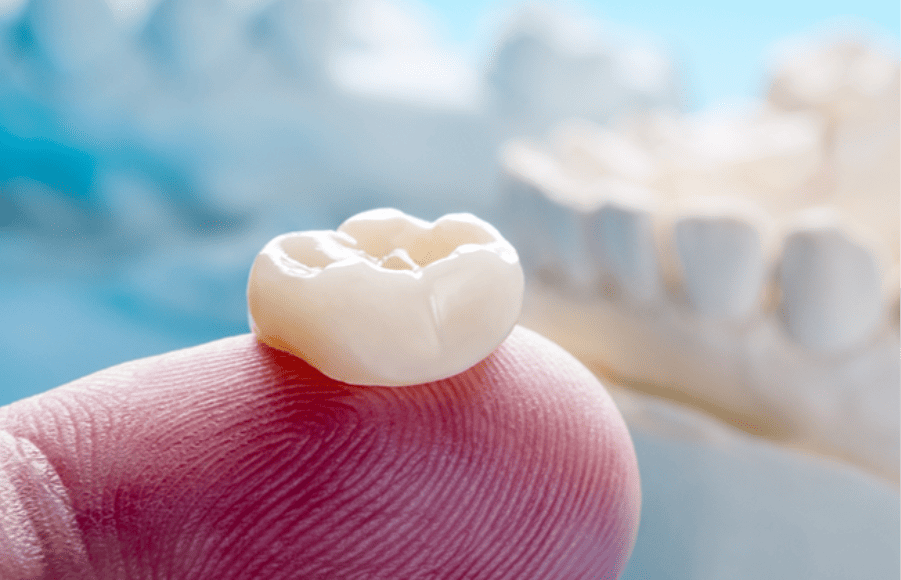
Dental crowns are among the most common and reliable broken tooth repair solutions for moderate to severe damage. 

A crown covers the entire visible portion of the tooth and provides protection against future fractures. 

Dental crowns may be recommended when: 

  • A large portion of the tooth is missing 
  • Significant cracks are present 
  • The tooth has been weakened 
  • Extensive restorations already exist 
  • Long-term protection is required 

Because dental crowns fully protect the remaining tooth structure, they often provide excellent durability and long-term success. 

Tooth Filling vs Crown: Which Option Is Right? 

One of the most common questions patients ask involves deciding between a filling and a crown. Understanding the differences between tooth filling vs crown treatment can help clarify why a dentist recommends one option over another. 

A filling restores a specific area of damage within the tooth. A crown, however, covers the entire visible tooth and provides additional support. 

When a Filling May Be Recommended 

A filling may be appropriate when: 

  • Damage is relatively minor 
  • Most of the tooth remains intact 
  • The tooth is structurally strong 
  • Additional reinforcement is not required 

When a Crown May Be Recommended 

A crown may be preferred when: 

  • Large portions of the tooth are missing 
  • Significant cracks exist 
  • Additional strength is necessary 
  • Long-term protection is desired 

In many cases, dental crowns offer greater protection for compromised teeth than fillings alone. 

What Is a Dental Cap Crown? 

The term dental cap crown refers to the same restoration commonly known as a dental crown. It acts as a protective covering placed over a damaged tooth. 

A dental cap crown restores strength, function, and appearance while helping prevent additional damage. Modern crowns are customized to blend naturally with surrounding teeth. 

A dental cap crown may be recommended for: 

  • Cracked teeth 
  • Broken teeth 
  • Large cavities 
  • Root canal-treated teeth 
  • Worn teeth 
  • Cosmetic improvements 

For many patients, a dental cap crown provides a durable and highly effective solution for broken tooth repair. 

The Benefits of Same-Day Dental Care 

Advancements in technology have improved the speed and convenience of restorative dental treatment. In some situations, same-day dental care allows patients to receive diagnosis and treatment during a single visit. 

This can be especially beneficial for individuals experiencing sudden dental injuries or discomfort. 

Benefits of same-day dental care include: 

  • Faster treatment 
  • Reduced discomfort 
  • Improved convenience 
  • Fewer appointments 
  • Quicker restoration of function 

Receiving broken tooth repair quickly may help prevent additional damage and restore comfort sooner. 

When a Tooth Cannot Be Saved 

Although preserving natural teeth is always the preferred goal, some fractures are too severe to repair successfully. If the damage extends below the gumline or deep into the root, extraction may be necessary. 

Fortunately, modern tooth replacement options can restore both appearance and functionality. 

Dental Implants in Sumner 

When a damaged tooth cannot be saved, dental implants in Sumner may provide a long-term replacement solution. 

Dental implants replace both the tooth root and visible crown, creating a stable and natural-looking result. 

Benefits of dental implants include: 

  • Natural appearance 
  • Strong chewing ability 
  • Long-term durability 
  • Jawbone preservation 
  • Improved confidence 

Many patients view dental implants as one of the most effective solutions for replacing severely damaged teeth. 

Cosmetic Options After Tooth Repair 

Following broken tooth repair, some patients choose cosmetic treatments to further enhance their smiles. 

These procedures can improve overall appearance while complementing restorative dental work. 

Professional Teeth Whitening 

Professional teeth whitening can brighten stained teeth and help create a more uniform smile. Many patients choose whitening after restorative treatment to improve overall aesthetics. 

Affordable Teeth Veneers 

Affordable teeth veneers may be suitable for patients with multiple cosmetic concerns. Veneers are thin shells placed on the front surfaces of teeth to improve appearance. 

They may help address: 

  • Minor chips 
  • Surface cracks 
  • Discoloration 
  • Uneven teeth 
  • Cosmetic imperfections 

How to Protect Your Teeth from Future Damage 

Preventive care plays a significant role in maintaining a healthy smile and reducing the need for future broken tooth repair. 

While accidents cannot always be avoided, many causes of tooth damage can be minimized through healthy habits and regular dental care. 

Protective measures include: 

  • Wearing a mouthguard during sports 
  • Avoiding hard foods and objects 
  • Treating teeth grinding promptly 
  • Attending regular dental checkups 
  • Maintaining good oral hygiene 
  • Addressing dental concerns early 

These simple steps can significantly reduce the risk of future fractures and dental emergencies. 

Conclusion 

A cracked or broken tooth should never be ignored, regardless of how minor the damage may appear. Without treatment, even a small crack can worsen and lead to discomfort, infection, and additional complications. Fortunately, modern dentistry offers effective solutions such as dental crowns, chipped tooth treatment, emergency dental repair, same-day dental care, and dental implants. Seeking broken tooth repair early can help preserve your natural tooth and protect your long-term oral health. 

If you are experiencing tooth pain, sensitivity, or visible tooth damage, now is the time to seek professional care. The experienced team at Complete Dental Care of Sumner is committed to providing personalized treatment plans that restore healthy, functional, and confident smiles. Contact Complete Dental Care of Sumner today to schedule your appointment and learn which broken tooth repair solution is right for your needs. 

Frequently Asked Questions 

1. Can a broken tooth heal on its own? 

No, a broken tooth cannot heal itself because tooth enamel does not regenerate. Even if the damage appears minor, the tooth may continue to weaken over time. Professional broken tooth repair helps protect the remaining structure and prevents additional complications.

2. What is the best treatment for a chipped tooth? 

The best chipped tooth treatment depends on the size and location of the damage. Small chips may be repaired with dental bonding or fillings, while larger fractures often require dental crowns. Your dentist will recommend the most appropriate option after an examination. 

3. How do dentists choose between a filling and a crown?

When evaluating tooth filling vs crown options, dentists consider how much healthy tooth structure remains. Fillings are typically used for smaller areas of damage, while crowns provide greater protection when a tooth has been significantly weakened or fractured. 

4. Is emergency dental repair necessary for every broken tooth?

Not every damaged tooth requires emergency treatment. However, severe pain, swelling, infection, bleeding, or extensive fractures should be evaluated immediately. Emergency dental repair can help preserve the tooth and reduce the risk of further complications. 

5. Can dental implants replace a severely damaged tooth? 

Yes. If a tooth cannot be repaired successfully, dental implants in Sumner may be recommended. Dental implants provide a durable, natural-looking replacement that restores function, appearance, and long-term oral health. 

6. Does same-day dental care help with broken teeth? 

Yes. Same-day dental care can be highly beneficial for patients with unexpected dental injuries. Depending on the severity of the damage, treatment may begin during the same visit, helping relieve discomfort and restore normal function more quickly. 

How to Choose the Right Family Dentist in Sumner, WA for Long-Term Oral Health

May 22, 2026

family dentist in Sumner

Family dentist in Sumner searches usually begin when families want a reliable place that can handle both adult and children’s dental care under one roof. The goal is not just convenience but long-term oral health support that grows with the family.

When people look for a family dentist in Sumner, they are often trying to balance trust, affordability, and accessibility. In a place like Sumner, WA, there are several options available, but choosing the right one requires understanding what truly matters in ongoing dental care.

This guide explains how families can evaluate a dental provider based on care quality, preventive focus, affordability, and patient experience.

Why the Right Family Dentist Matters

A family dentist plays a long-term role in maintaining oral health for every member of the household. Unlike visiting different specialists for each age group, a single provider ensures consistency in records, treatment planning, and preventive care habits.

When families stay with one provider over time, it becomes easier to track changes in oral health, detect problems early, and reduce the chances of emergency treatments. This continuity is especially helpful for children who benefit from familiarity and routine in dental visits.

Services That Support Family Oral Health

A strong dental provider should be able to handle a wide range of needs, from routine cleanings to more specific treatments. When searching for a dental clinic in Sumner, it is important to check whether the clinic offers care for both children and adults.

Most reliable family practices focus on preventive checkups, cavity treatment, gum care, and early orthodontic evaluation. For children, having access to a kids dentist Sumner level of care within the same clinic helps reduce anxiety and ensures early dental issues are managed properly.

Preventive care is a key part of this approach. Services like cleanings, fluoride treatments, and early screenings help reduce long-term dental problems and support healthier habits at home.

Affordability and Insurance Considerations

Cost is one of the biggest concerns for families. An affordable family dentist is not only about lower prices but also about transparent billing and flexible payment options.

It is also important to check whether the clinic is a dentist accepting insurance, as this can significantly reduce out-of-pocket expenses. Families should understand what their insurance covers, especially for preventive services, which are often fully or partially included.

A clear discussion about treatment costs and insurance support helps avoid unexpected financial stress later.

Importance of Reviews and Local Trust

Before selecting a provider, many families rely on local dentist reviews to understand real patient experiences. Reviews often reveal how the clinic handles appointments, communicates treatment plans, and interacts with children.

While individual opinions may vary, patterns in feedback can help identify whether a clinic is consistent in providing quality care. A strong reputation in the local community is usually a good sign of reliable service and patient satisfaction.

What Makes the Best Family Dentist in Sumner

Finding the best family dentist Sumner has to offer is less about marketing and more about long-term reliability. A good provider focuses on patient comfort, clear communication, and preventive care rather than only treating existing problems.

Families should look for a clinic that makes dental visits simple and stress-free. This includes easy scheduling, a welcoming environment, and a focus on education so patients understand how to maintain oral health between visits.

The Role of Preventive Dental Care

Preventive care is one of the most important aspects of long-term dental health. Preventive dental care focuses on stopping problems before they become serious, which reduces both discomfort and cost over time.

Regular cleanings, early cavity detection, and gum health monitoring help ensure that small issues do not turn into major treatments. For children especially, preventive care helps build strong habits that last into adulthood.

Preventive dental care

Choosing the Right Local Dental Provider

When comparing options for a dental clinic near me, convenience should be considered along with quality of care. A nearby clinic makes it easier to attend regular appointments and handle unexpected dental issues when they arise.

Location, appointment availability, and overall patient experience all play a role in long-term satisfaction. A good family dentist should feel approachable and consistent, not difficult to access or understand.

Conclusion

Choosing a family dentist is an important decision that affects long-term oral health for every member of the household. Whether someone is searching for a family dentist near me, an affordable family dentist, or simply trying to understand local options, the focus should always be on trust, preventive care, and consistent service.

By considering services, insurance support, patient reviews, and preventive approach, families in Sumner, WA can make a well-informed choice that supports healthier smiles for years to come.

If you are ready to take the next step, consider booking an appointment with a local dental provider to discuss your family’s needs, understand available treatments, and find a care approach that feels comfortable and reliable.

Frequently Asked Questions

1. What should I look for when searching for a family dentist near me?

Look for experience in family care, preventive services, insurance acceptance, and positive patient reviews.

2. How often should families visit a dentist?

Most families should schedule visits every six months for cleanings and checkups, unless advised otherwise.

3. What makes a good kids dentist in Sumner?

A good pediatric dentist uses gentle communication, provides preventive care, and creates a comfortable environment for children

4. Is preventive dental care really necessary?

Yes, preventive care helps avoid serious dental issues and reduces long-term treatment costs.

5. How can I find an affordable family dentist?

Compare insurance acceptance, pricing transparency, and available payment plans to find a suitable option.

6. Why are local dentist reviews important?

They provide real patient insights into service quality, reliability, and overall experience.

How Often Should You Get Your Teeth Cleaned? A Dentist Explains

May 20, 2026

teeth cleaning in Sumner

If you are searching for teeth cleaning in Sumner, you are likely trying to understand how often professional cleaning is actually needed and what role it plays in long-term oral health. The answer is not the same for everyone, but there are clear clinical guidelines that dentists follow based on oral health status, risk factors, and hygiene habits.

Many people also ask about teeth cleaning in Sumner when they notice staining, bad breath, or bleeding gums, but regular cleanings are ideally preventive rather than reactive. In this guide, we break down how often you should get your teeth cleaned, what happens during a cleaning, and how it supports overall dental wellness.

We will also discuss affordable teeth cleaning near me, typical dental cleaning cost, and how preventive care in clinics focusing on preventive dentistry Sumner can help reduce long-term dental problems.

Why Regular Teeth Cleaning Matters

Professional dental cleaning is more than just polishing teeth. It is a preventive procedure designed to control bacterial buildup that daily brushing and flossing cannot fully remove.

Over time, plaque hardens into tartar, which leads to inflammation and gum issues. This is where plaque removal becomes essential. Even with strong home care, some areas of the mouth are difficult to clean, especially along the gumline and between teeth.

Regular cleanings help with:

  • Reducing plaque and bacteria buildup
  • Preventing tartar buildup that cannot be removed at home
  • Supporting long-term gum disease prevention
  • Maintaining fresh breath and cleaner teeth surfaces
  • Allowing early detection during a routine dental exam

Dentists typically recommend combining cleaning with a full oral examination for a complete preventive approach.

How Often Should You Get Teeth Cleaning?

The general recommendation for most people is every six months. However, frequency can vary depending on oral health condition and risk factors.

Here is a simple breakdown:

Standard Recommendation

Most patients should schedule a cleaning every 6 months to maintain oral health and prevent plaque accumulation.

Higher Risk Patients

Some individuals may require cleaning every 3 to 4 months, especially if they have:

  • Gum disease history
  • Heavy tartar buildup
  • Smoking habits
  • Diabetes or immune conditions

Low-Risk Patients

People with excellent oral hygiene and no gum issues may only need annual cleaning, but this is less common.

Factors That Affect Cleaning Frequency

Not everyone builds plaque at the same rate. Several factors influence how often you need professional care.

Oral Hygiene Habits

Poor brushing or flossing habits increase plaque accumulation and may require more frequent visits.

Diet Choices

High sugar or acidic diets contribute to faster plaque formation and enamel wear.

Genetics

Some individuals are more prone to gum disease despite good hygiene.

Existing Dental Conditions

Conditions like gingivitis or periodontitis require more frequent monitoring and cleaning.

What Happens During a Dental Cleaning?

A professional cleaning is a structured process that focuses on removing deposits and maintaining gum health.

Step 1: Oral Examination

A dentist or hygienist performs a routine dental exam to check gums, teeth, and overall oral health.

Step 2: Plaque and Tartar Removal

Special instruments are used for plaque removal and to eliminate hardened tartar buildup from teeth surfaces.

Step 3: Deep Cleaning

Teeth are cleaned along the gumline to reduce bacteria and inflammation.

Step 4: Polishing

Teeth are polished to remove surface stains and smooth enamel.

Step 5: Fluoride Treatment (Optional)

Some patients receive fluoride to strengthen enamel and prevent decay.

Table: Recommended Cleaning Frequency by Risk Level

Risk LevelCleaning FrequencyCommon Indicators
Low Risk12 monthsGood oral hygiene, no gum issues
Moderate Risk6 monthsMild plaque, occasional bleeding gums
High Risk3–4 monthsGum disease, heavy tartar buildup

Understanding Dental Cleaning Cost

One of the most common concerns for patients searching affordable teeth cleaning near me is the cost of treatment. The dental cleaning cost can vary depending on location, clinic type, and oral health condition.

gum disease prevention

Factors Influencing Cost

  • Type of cleaning required (basic or deep cleaning)
  • Severity of plaque or tartar buildup
  • Whether X-rays or additional procedures are needed
  • Geographic location and clinic standards

In general, preventive cleanings are more affordable than treatments for advanced gum disease or decay. Regular visits help reduce the need for costly procedures in the future.

Role of Preventive Dentistry in Long-Term Health

Preventive care is the foundation of modern dentistry. Clinics focusing on preventive dentistry in Sumner typically emphasize early detection, routine monitoring, and consistent cleaning schedules.

Benefits of Preventive Dentistry

  • Early identification of cavities and gum disease
  • Reduced need for invasive treatments
  • Better long-term oral health outcomes
  • Lower overall treatment costs
  • Improved patient awareness and hygiene habits

Preventive care ensures that small issues are addressed before they become major dental concerns.

Plaque vs Tartar: What Is the Difference?

Understanding the difference between plaque and tartar is important for maintaining oral hygiene.

Plaque

Plaque is a soft, sticky film of bacteria that forms on teeth daily. It can be removed with regular brushing and flossing.

Tartar

When plaque is not removed, it hardens into tartar. Unlike plaque, tartar cannot be removed at home and requires professional cleaning.

This is why plaque removal during dental visits is essential to prevent long-term damage.

Signs You May Need a Dental Cleaning Soon

Even if you follow a good oral hygiene routine, certain signs indicate it is time to visit a dentist:

  • Bleeding gums while brushing or flossing
  • Persistent bad breath
  • Yellow or brown stains on teeth
  • Sensitivity near the gumline
  • Visible tartar buildup

If you notice these symptoms, scheduling a cleaning can prevent progression into gum disease.

Connection Between Cleaning and Gum Disease Prevention

One of the most important benefits of professional cleaning is gum disease prevention. Gum disease begins when bacteria accumulate along the gumline, causing inflammation and infection.

Without treatment, it can progress from gingivitis to periodontitis, leading to gum recession and even tooth loss.

Regular cleanings help by:

  • Removing bacterial deposits
  • Reducing gum inflammation
  • Preventing infection progression
  • Supporting healthy gum attachment

What to Expect During a Routine Dental Exam

A routine dental exam is typically performed alongside cleaning. It helps detect early signs of dental problems.

During the exam, a dentist may:

  • Check for cavities
  • Evaluate gum health
  • Examine bite alignment
  • Review X-rays if needed
  • Discuss oral hygiene habits

This combined approach ensures a complete preventive care plan.

Affordable Care and Access to Teeth Cleaning

Many patients delay dental visits due to cost concerns, but delaying care often leads to more expensive treatments later.

Searching for affordable teeth cleaning near me is common among patients looking for budget-friendly preventive care options. However, the most cost-effective approach is consistent maintenance rather than infrequent emergency treatment.

Preventive visits help reduce long-term expenses and maintain oral health stability.

How to Maintain Results After Cleaning

After a professional cleaning, maintaining results depends on daily habits.

Best Practices:

  • Brush twice daily with fluoride toothpaste
  • Floss once daily
  • Limit sugary snacks and drinks
  • Drink plenty of water
  • Schedule regular cleanings

These habits help extend the benefits of professional care and reduce plaque accumulation.

Conclusion

Understanding how often to get dental cleaning is essential for maintaining long-term oral health. For most individuals, a six-month schedule is ideal, though some may require more frequent visits depending on their oral condition.

Whether you are searching for teeth cleaning near me, comparing dental cleaning cost, or exploring options for preventive dentistry Sumner, the key takeaway is that consistent preventive care is more effective and affordable than treating advanced dental problems later.

Routine cleanings, combined with good daily hygiene, remain the most reliable way to prevent plaque buildup, control tartar buildup, and support overall gum health. If you are due for a check-up, consider scheduling a dental appointment with a qualified professional to assess your oral health needs and determine the right cleaning frequency for you.

FAQs

1. How often should I get my teeth cleaned?

Most people should get a professional cleaning every six months, though some may need more frequent visits depending on gum health.

2. Is teeth cleaning painful?

No, most cleanings are comfortable. Mild sensitivity may occur if there is heavy tartar buildup or gum inflammation.

3. What is included in a dental cleaning?

It includes plaque removal, tartar removal, polishing, and often a routine dental exam.

4. Why is tartar removal important?

Tartar buildup cannot be removed at home and can lead to gum disease if not treated professionally.

5. How much does a dental cleaning cost?

The dental cleaning cost varies depending on location and condition but is generally more affordable than restorative treatments.

Why the Holiday Season Can Be a Dangerous Time for Your Smile

December 4, 2025

Close-up of Christmas cookies on plate

For many, the holiday season is one of the most exciting, joyous times of the year. Unfortunately, it’s also a time that could have serious consequences for your oral health. If you’re not careful during the festivities, you could easily end up with a cavity. Below is a closer look at how the holidays can affect your teeth as well as the preventive steps you can take to keep your smile safe.

(more…)

Boost Your Smile: The Benefits of Vitamin D for Dental Implants

November 5, 2025

Man with a dental implant smiling while in the sun

As you get dental implants, it’s understandable to be excited about the many benefits they bring. You’ll be able to preserve your jawbone while having an easier time biting into all your favorite foods. This investment in your smile can last for a lifetime, and one way you can help ensure this is by getting enough vitamin D! Continue reading to learn why this nutrient is great for your rebuilt smile.

(more…)

Tooth Loss Can Alter Your Face; Here’s How

September 3, 2025

Lady thinks something over

The teeth play several important roles for your oral and overall health, and losing even one can lead to unpleasant consequences. While you may be aware of how tooth loss can make eating and speaking difficult and oral injuries and infections more likely, you may not realize that it can significantly impact the shape of your face. Here’s a brief guide to how tooth loss can cause bone atrophy and how your dentist can help you maintain a complete and healthy smile as well as a vigorous appearance.

(more…)

Smile on a Schedule: How Long Does Cosmetic Dentistry Take?

July 10, 2025

Patient smiling after cosmetic dentistry

Considering a smile makeover but unsure how long the process takes? Whether you’re aiming for a quick refresh or a complete transformation, cosmetic dentistry comes with a range of timelines depending on your goals. Some treatments are speedy and simple, while others take a bit more time, planning, and patience. Here’s a breakdown of popular procedures and how long you can expect each one to take.

(more…)