
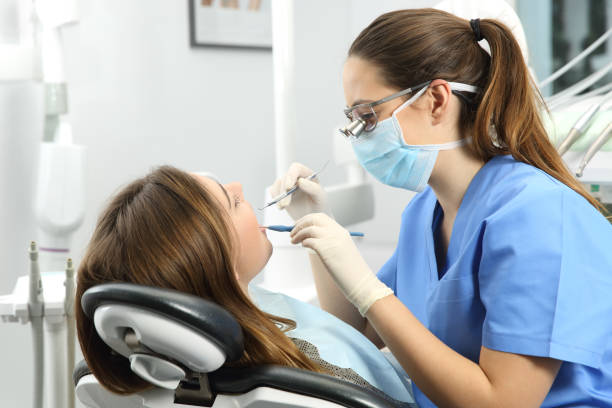
If you are searching for teeth cleaning in Sumner, you are likely trying to understand how often professional cleaning is actually needed and what role it plays in long-term oral health. The answer is not the same for everyone, but there are clear clinical guidelines that dentists follow based on oral health status, risk factors, and hygiene habits.
Many people also ask about teeth cleaning in Sumner when they notice staining, bad breath, or bleeding gums, but regular cleanings are ideally preventive rather than reactive. In this guide, we break down how often you should get your teeth cleaned, what happens during a cleaning, and how it supports overall dental wellness.
We will also discuss affordable teeth cleaning near me, typical dental cleaning cost, and how preventive care in clinics focusing on preventive dentistry Sumner can help reduce long-term dental problems.
Why Regular Teeth Cleaning Matters
Professional dental cleaning is more than just polishing teeth. It is a preventive procedure designed to control bacterial buildup that daily brushing and flossing cannot fully remove.
Over time, plaque hardens into tartar, which leads to inflammation and gum issues. This is where plaque removal becomes essential. Even with strong home care, some areas of the mouth are difficult to clean, especially along the gumline and between teeth.
Regular cleanings help with:
- Reducing plaque and bacteria buildup
- Preventing tartar buildup that cannot be removed at home
- Supporting long-term gum disease prevention
- Maintaining fresh breath and cleaner teeth surfaces
- Allowing early detection during a routine dental exam
Dentists typically recommend combining cleaning with a full oral examination for a complete preventive approach.
How Often Should You Get Teeth Cleaning?
The general recommendation for most people is every six months. However, frequency can vary depending on oral health condition and risk factors.
Here is a simple breakdown:
Standard Recommendation
Most patients should schedule a cleaning every 6 months to maintain oral health and prevent plaque accumulation.
Higher Risk Patients
Some individuals may require cleaning every 3 to 4 months, especially if they have:
- Gum disease history
- Heavy tartar buildup
- Smoking habits
- Diabetes or immune conditions
Low-Risk Patients
People with excellent oral hygiene and no gum issues may only need annual cleaning, but this is less common.
Factors That Affect Cleaning Frequency
Not everyone builds plaque at the same rate. Several factors influence how often you need professional care.
Oral Hygiene Habits
Poor brushing or flossing habits increase plaque accumulation and may require more frequent visits.
Diet Choices
High sugar or acidic diets contribute to faster plaque formation and enamel wear.
Genetics
Some individuals are more prone to gum disease despite good hygiene.
Existing Dental Conditions
Conditions like gingivitis or periodontitis require more frequent monitoring and cleaning.
What Happens During a Dental Cleaning?
A professional cleaning is a structured process that focuses on removing deposits and maintaining gum health.
Step 1: Oral Examination
A dentist or hygienist performs a routine dental exam to check gums, teeth, and overall oral health.
Step 2: Plaque and Tartar Removal
Special instruments are used for plaque removal and to eliminate hardened tartar buildup from teeth surfaces.
Step 3: Deep Cleaning
Teeth are cleaned along the gumline to reduce bacteria and inflammation.
Step 4: Polishing
Teeth are polished to remove surface stains and smooth enamel.
Step 5: Fluoride Treatment (Optional)
Some patients receive fluoride to strengthen enamel and prevent decay.
Table: Recommended Cleaning Frequency by Risk Level
| Risk Level | Cleaning Frequency | Common Indicators |
|---|---|---|
| Low Risk | 12 months | Good oral hygiene, no gum issues |
| Moderate Risk | 6 months | Mild plaque, occasional bleeding gums |
| High Risk | 3–4 months | Gum disease, heavy tartar buildup |
Understanding Dental Cleaning Cost
One of the most common concerns for patients searching affordable teeth cleaning near me is the cost of treatment. The dental cleaning cost can vary depending on location, clinic type, and oral health condition.

Factors Influencing Cost
- Type of cleaning required (basic or deep cleaning)
- Severity of plaque or tartar buildup
- Whether X-rays or additional procedures are needed
- Geographic location and clinic standards
In general, preventive cleanings are more affordable than treatments for advanced gum disease or decay. Regular visits help reduce the need for costly procedures in the future.
Role of Preventive Dentistry in Long-Term Health
Preventive care is the foundation of modern dentistry. Clinics focusing on preventive dentistry in Sumner typically emphasize early detection, routine monitoring, and consistent cleaning schedules.
Benefits of Preventive Dentistry
- Early identification of cavities and gum disease
- Reduced need for invasive treatments
- Better long-term oral health outcomes
- Lower overall treatment costs
- Improved patient awareness and hygiene habits
Preventive care ensures that small issues are addressed before they become major dental concerns.
Plaque vs Tartar: What Is the Difference?
Understanding the difference between plaque and tartar is important for maintaining oral hygiene.
Plaque
Plaque is a soft, sticky film of bacteria that forms on teeth daily. It can be removed with regular brushing and flossing.
Tartar
When plaque is not removed, it hardens into tartar. Unlike plaque, tartar cannot be removed at home and requires professional cleaning.
This is why plaque removal during dental visits is essential to prevent long-term damage.
Signs You May Need a Dental Cleaning Soon
Even if you follow a good oral hygiene routine, certain signs indicate it is time to visit a dentist:
- Bleeding gums while brushing or flossing
- Persistent bad breath
- Yellow or brown stains on teeth
- Sensitivity near the gumline
- Visible tartar buildup
If you notice these symptoms, scheduling a cleaning can prevent progression into gum disease.
Connection Between Cleaning and Gum Disease Prevention
One of the most important benefits of professional cleaning is gum disease prevention. Gum disease begins when bacteria accumulate along the gumline, causing inflammation and infection.
Without treatment, it can progress from gingivitis to periodontitis, leading to gum recession and even tooth loss.
Regular cleanings help by:
- Removing bacterial deposits
- Reducing gum inflammation
- Preventing infection progression
- Supporting healthy gum attachment
What to Expect During a Routine Dental Exam
A routine dental exam is typically performed alongside cleaning. It helps detect early signs of dental problems.
During the exam, a dentist may:
- Check for cavities
- Evaluate gum health
- Examine bite alignment
- Review X-rays if needed
- Discuss oral hygiene habits
This combined approach ensures a complete preventive care plan.
Affordable Care and Access to Teeth Cleaning
Many patients delay dental visits due to cost concerns, but delaying care often leads to more expensive treatments later.
Searching for affordable teeth cleaning near me is common among patients looking for budget-friendly preventive care options. However, the most cost-effective approach is consistent maintenance rather than infrequent emergency treatment.
Preventive visits help reduce long-term expenses and maintain oral health stability.
How to Maintain Results After Cleaning
After a professional cleaning, maintaining results depends on daily habits.
Best Practices:
- Brush twice daily with fluoride toothpaste
- Floss once daily
- Limit sugary snacks and drinks
- Drink plenty of water
- Schedule regular cleanings
These habits help extend the benefits of professional care and reduce plaque accumulation.
Conclusion
Understanding how often to get dental cleaning is essential for maintaining long-term oral health. For most individuals, a six-month schedule is ideal, though some may require more frequent visits depending on their oral condition.
Whether you are searching for teeth cleaning near me, comparing dental cleaning cost, or exploring options for preventive dentistry Sumner, the key takeaway is that consistent preventive care is more effective and affordable than treating advanced dental problems later.
Routine cleanings, combined with good daily hygiene, remain the most reliable way to prevent plaque buildup, control tartar buildup, and support overall gum health. If you are due for a check-up, consider scheduling a dental appointment with a qualified professional to assess your oral health needs and determine the right cleaning frequency for you.
FAQs
1. How often should I get my teeth cleaned?
Most people should get a professional cleaning every six months, though some may need more frequent visits depending on gum health.
2. Is teeth cleaning painful?
No, most cleanings are comfortable. Mild sensitivity may occur if there is heavy tartar buildup or gum inflammation.
3. What is included in a dental cleaning?
It includes plaque removal, tartar removal, polishing, and often a routine dental exam.
4. Why is tartar removal important?
Tartar buildup cannot be removed at home and can lead to gum disease if not treated professionally.
5. How much does a dental cleaning cost?
The dental cleaning cost varies depending on location and condition but is generally more affordable than restorative treatments.